At-Home Art Therapy-inspired Ideas for the Christmas School Holidays
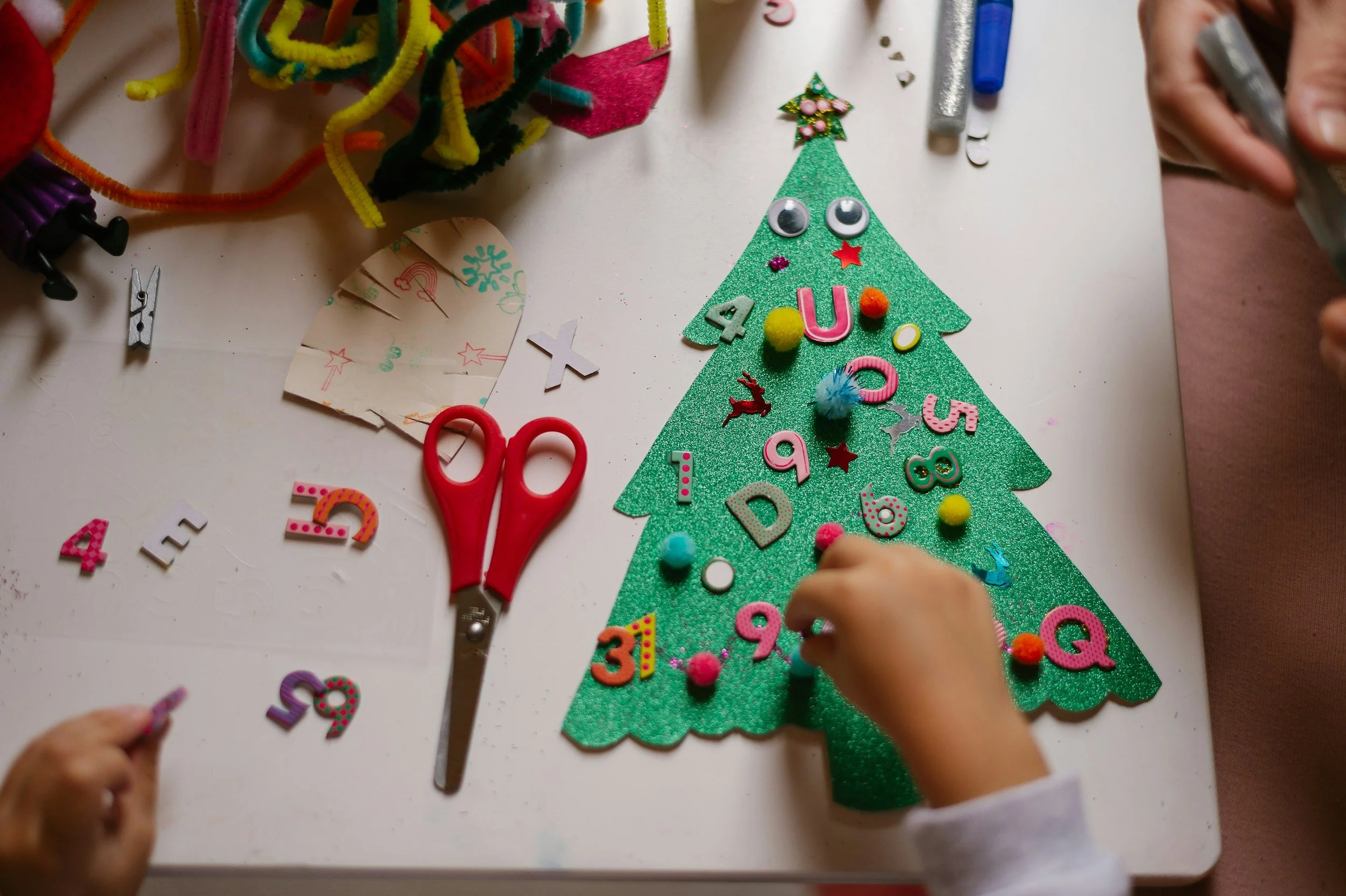
The Christmas school holidays are full of energy, excitement, late nights, long days, and big feelings. Parents often look for meaningful ways to keep children engaged, supported, and creatively inspired — without relying on screens or expensive outings.
Art therapy–inspired activities can be especially supportive at this time of year. They offer structure, creativity, opportunities for emotional expression, and moments of connection, all from the comfort of home.
Below are holiday-friendly ideas that blend creative play with therapeutic principles many children benefit from during long, unstructured breaks.
Why Art Therapy–Inspired Activities Can Support Children During the Holidays
A gentle outlet for big emotions
The holiday period can bring excitement, overwhelm, changes in routine, sensory load, and emotional ups and downs. Art offers a non-verbal way for children to express what they’re holding inside, without pressure to explain or “get it right”.
Supporting emotional regulation through creative rhythm
Rhythmic drawing, painting, and hands-on materials like clay can help the body slow down, focus, and settle. These activities can be especially supportive when transitioning between busy holiday events and quieter moments at home.
Building confidence and self-esteem through making
Creating something from start to finish can support a sense of achievement and capability. Art-making invites problem-solving, experimentation, and independence in a way that feels accessible and playful.
Encouraging creativity and fine-motor development
Art activities support imagination, planning, and coordination, while allowing children to explore materials in their own way and at their own pace.
Strengthening family connection through shared creativity
Shared creative projects offer families a chance to slow down together, communicate, and enjoy time side by side during the holiday season.
At-Home Art Therapy–Inspired Activities for the Christmas School Holidays
All activities are low-prep, budget-friendly, and adaptable for different ages and abilities.
Mandala or pattern colouring for focus and calm
Offer mandala sheets or simple patterns for children to fill in. Repetitive movement can support steadiness and focus, and many children enjoy this as a quiet break between high-energy holiday activities.
Nature collage or “holiday collection” art
Go for a neighbourhood walk and gather leaves, flowers, twigs, shells, or interesting textures. Children can use these to create a collage, a “summer memory board,” or a holiday-inspired artwork. This activity engages the senses and often invites storytelling about what they noticed and collected.
Clay or play-dough feelings sculptures
Provide clay or play-dough and invite children to shape a feeling as an object — something smooth, heavy, spiky, twisty, or soft. Working with texture and movement allows feelings to be expressed through the hands, rather than words.
Christmas or summer-themed creative projects
Holiday-inspired ideas might include homemade decorations, painted gift tags, festive drawings, or a “dream summer holiday” collage. These projects allow children to explore the season in their own creative language.
Family painting sessions for shared connection
Roll out a long sheet of paper or use a large canvas. Each person can paint a section, or everyone can contribute to the same image. This shared activity supports cooperation, connection, and often sparks relaxed conversation.
A feelings tree or emotion map
Draw a large tree outline and provide coloured markers, stickers, or shapes. Children can add leaves or symbols that represent how they’re feeling across the holidays. Over time, this can become a visual reflection of their emotional world.
Vision boards for the new year
Invite children to create a “hopes for next year” board using drawings, magazine cut-outs, or stickers. This supports reflection, motivation, and confidence as they think about what they’re looking forward to.
Storytelling through art and drawing
Ask children to draw a holiday moment, a made-up adventure, or a simple comic strip. Story-based art supports imagination, communication, and making sense of experiences.
Free-expression art days without expectations
Set up materials and allow children to create without instructions or outcomes. Open-ended art encourages exploration, experimentation, and autonomy — key elements of therapeutic art-making.
Tips for Parents Supporting Art-Making at Home
Offer choice and flexibility
Let your child choose materials and activities. Choice supports autonomy, agency, and engagement.
Focus on the process, not the product
Art doesn’t need to look a certain way. Valuing exploration over outcome reduces pressure and supports authentic expression.
Keep art materials accessible
A simple basket with crayons, pencils, collage paper, stickers, and recycled materials invites spontaneous creativity throughout the holidays.
Stay curious and present
Instead of asking “What is it?”, try “Tell me about what you made” or “What made you choose these colours?” This opens space for reflection and connection.
Use art as a time for connection
Joining your child at the table — even briefly — can strengthen your relationship and create meaningful shared moments during the holidays.
Related Resources
Important Information
This post shares art therapy–inspired ideas for supporting children’s creativity, emotional expression, and connection during the school holidays. It is not intended as clinical advice, instruction, or a substitute for professional therapeutic support. The activities described are offered as flexible invitations rather than prescribed interventions, and should be adapted to each child’s individual needs, sensitivities, and developmental stage.