Being With Nature: Listening to the More-Than-Human World
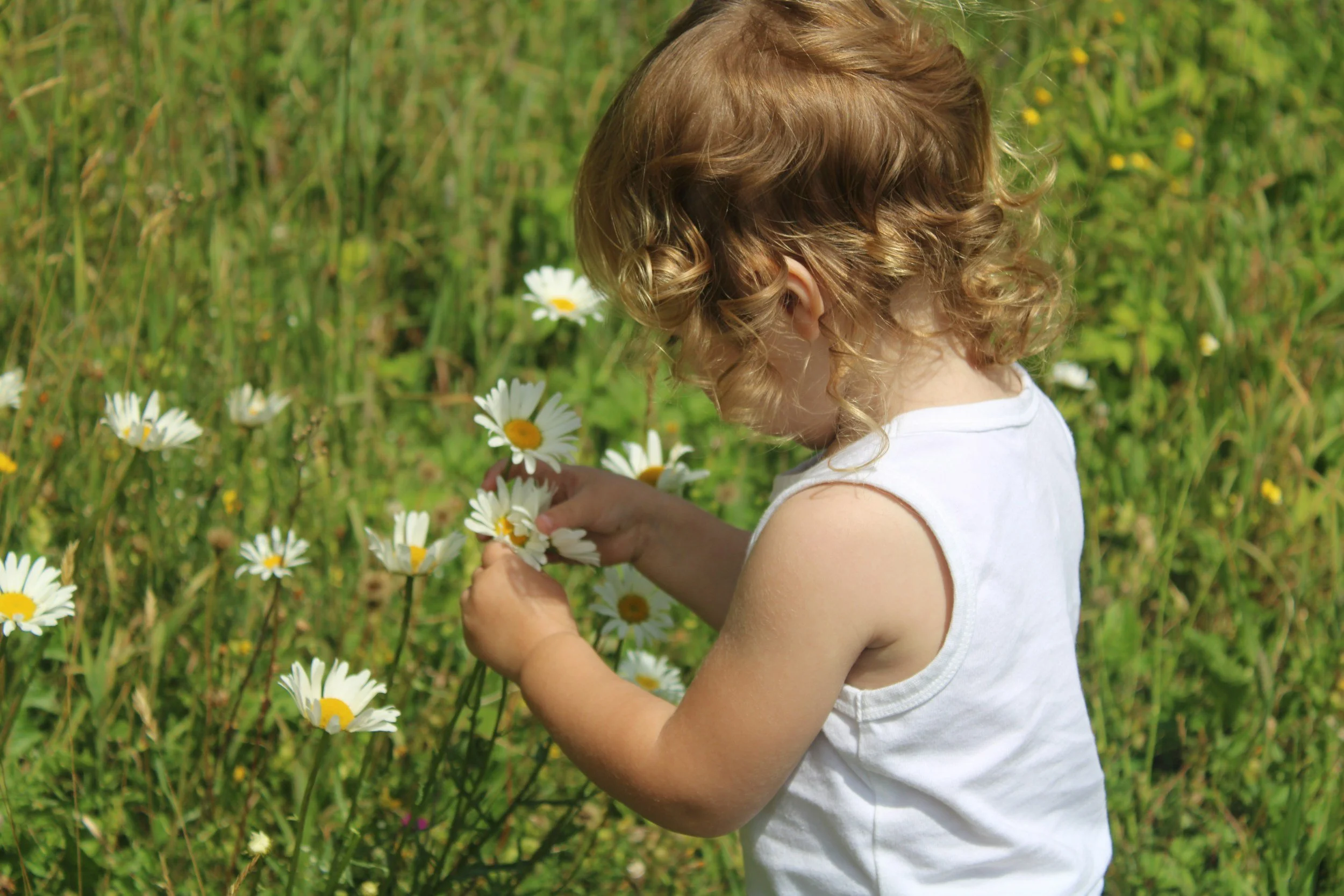
Children arrive in relationship with nature long before anyone explains what nature is.
They notice wind before words. They track birds, shadows, insects, water. They feel the ground through their bodies before they know where they are or what they’re meant to do with that information.
This relationship doesn’t begin with learning or values. It begins with sensation — proximity, sound, movement — often quiet, often unnoticed by the adults nearby.
In therapeutic work that happens on land, outdoors, or alongside natural materials, nature isn’t something that gets introduced. It’s already there, shaping what becomes possible.
Nature is already speaking
Listening to the more-than-human world isn’t a metaphor.
It’s wind moving through leaves.
Light shifting as clouds pass.
Bird calls layered with distant traffic.
The difference between dry ground and damp soil underfoot.
Children often orient to these things immediately. Their bodies turn before their thoughts do. Pace changes. Breath changes. Sometimes they move closer. Sometimes they pull back.
That movement isn’t distraction. It’s contact.
When I allow those moments to stay — without redirecting, without naming — the work often softens. Less needs to happen. Nature is already doing its part.
Relationship before interpretation
There’s a quiet pull, especially in therapeutic and educational spaces, to interpret children’s interactions with nature.
Why this stick?
Why not the grass?
What does the digging mean?
Sometimes those questions matter. Often they arrive too early.
When children are with nature, they’re not always expressing something else. Sometimes they’re simply working out how close feels safe. How long to stay. What can be touched. When to leave.
Those decisions happen in the body.
Letting them remain there — without translation — can feel uncomfortable. Especially when we’re trained to look for insight. But relationship doesn’t require explanation to be real.
Being with nature isn’t always calming
There’s a persistent idea that nature is inherently soothing.
Sometimes it is, sometimes it isn’t.
Wind can be loud. Light can feel sharp. Insects can be too close. Open spaces can increase alertness rather than ease it.
When a child turns away from nature, I try not to rush in with encouragement. Avoidance isn’t always avoidance. Sometimes it’s how a nervous system stays within what it can manage.
Listening to nature includes listening to the child’s limits with it.
Relationship can’t be forced — not with people, and not with land.
Nature inside therapeutic work
Nature doesn’t disappear when we come indoors.
Leaves, stones, water, clay, bark, sand — they carry the places they come from. They dry. They crack. They stain. They spill. They refuse to behave.
Hands meet resistance. Bodies adjust. Time shows itself through change.
When children work with natural materials, they’re not mastering them. They’re encountering them. Sometimes gently. Sometimes roughly. Sometimes briefly.
It doesn’t need to become an artwork. It doesn’t need to become meaning. The encounter itself is enough.
Care without instruction
I’m less interested in teaching children how to care for nature than in allowing them to experience being in relationship with it.
Care shows up in different ways. Sometimes as gentleness. Sometimes as curiosity. Sometimes as grief, boredom, indifference, or refusal.
All of that belongs.
Nature doesn’t ask for a particular response. Relationship unfolds through proximity, repetition, withdrawal, return — often unevenly, often without ceremony.
Listening to the more-than-human world is something I’m still practising. It asks for restraint. For patience. For letting moments stay unresolved. Being with nature, without agenda, is already doing something — even when it’s hard to say what that is.
Staying With the Relationship
Being with nature, in this way, asks for a different kind of attention from adults.
It asks us to slow our responses, soften our interpretations, and resist the urge to turn relationship into something productive or legible. It asks us to notice when we are filling space because stillness feels uncomfortable, or when we are guiding because waiting feels uncertain.
Nature does not ask children to understand it, care for it, or respond in particular ways. It simply continues to be present — changing slowly, responding to conditions, holding complexity without explanation.
When children are given time to be with nature on these terms, relationship can unfold in its own way. Sometimes it looks like care. Sometimes it looks like distance. Sometimes it looks like nothing much at all.
I’m learning to trust that this is enough. To stay with what is happening rather than reaching for what should happen next. The work continues quietly here, shaped as much by land, weather, and material as by anything I bring into the space.
Related Resources
More Information
This post reflects on children’s relationships with nature and the more-than-human world within therapeutic and relational contexts. It is not intended as advice, instruction, or a substitute for professional support. The reflections shared here describe ways of understanding and noticing children’s experiences in relation to land, natural materials, and environment, rather than prescribing specific practices, activities, or outcomes.