Resources
This space holds a collection of written reflections from Rain & Me. Children’s Therapy.
These pieces sit alongside the therapeutic work and are shaped by the same way of listening — to children, to relationship, to place, and to the wider living world we move within. They are offered as places to pause, to wander, and to sit with questions that arise in caring for children and families.
The writing here is not intended to teach, instruct, or offer answers. It moves slowly, staying close to lived experience and to what is noticed in practice — moments of connection, uncertainty, regulation, dysregulation, creativity, and care.
Across these reflections, you may find gentle threads around:
emotions as meaningful experiences rather than problems to fix
nervous system responses as adaptive and shaped by context
children’s behaviours as communication arising within relationship, place, and environment
art therapy as a way of making room for expression, presence, and meaning
the importance of feeling safe enough to be oneself
ecology as relational — shaping how children, families, and communities come into connection
These resources are here for parents, caregivers, educators, and practitioners who feel drawn to slower ways of thinking about children — ways that value listening over urgency, relationship over control, and care over correction.
You’re welcome to enter this space gently. To read what calls to you, to return when it feels right, or to simply let a piece sit with you for a while. Nothing here needs to be taken up or applied. It is enough to notice, reflect, and stay curious.
These reflections are not therapeutic interventions and are not a substitute for counselling or art therapy sessions.
Parenting & Big Feelings
When resources are scarce and stress is constant, co-regulation can become impossible — not because of lack of care, but because capacity has limits.
A relational, arts-based perspective on demand avoidance, exploring how capacity, nervous system state, autonomy, and context shape children’s responses to expectations, without labels or categorisation.
A gentle invitation to pause, notice, and respond with care when children are experiencing big feelings.
Creative, low-pressure art therapy ideas for the school holidays that support big feelings, connection, and meaningful family time.
Big feelings aren’t problems to fix — they’re experiences to notice, feel, and meet with care.
Play, laughter, and connection help children process emotions and strengthen attachment.
art therapy
Children aren’t meant to regulate alone. Art therapy supports expression, nervous system development, and connection instead of compliance.
What the research says about art therapy — and how it supports children’s mental health, neurodivergence, and emotional wellbeing.
Art therapy supports emotional regulation through relationship, creativity, and co-regulation — not behaviour control.
Art gives children a voice when words are hard to find — supporting expression, connection, and understanding beyond language.
Art therapy helps children express big feelings safely — without pressure to explain or regulate before they’re ready.
Art therapy gently supports awareness of body sensations, feelings, and internal experiences.
Early childhood intervention is not about rushing development or fixing difference. This article explores how art therapy sits within early childhood intervention as a relational, play-based practice that supports participation, learning, and connection through creative engagement.
Rather than treating wellbeing and development as targets to achieve, this article explores how children practise regulation, social engagement, focus, creativity, and learning through art therapy — and how these capacities often carry into home and school life.
The Nervous System
This post explores common myths about calm, resilience, and regulation, and offers a more grounded understanding of how nervous systems adapt across adulthood and childhood.
Some nervous systems were shaped in homes without reliable regulation or safe exit. What develops is not dysfunction, but adaptation — carried forward into adult life.
A compassionate look at nervous system states through polyvagal theory — and why activation and shutdown are adaptive, not dysfunctional.
Polyvagal theory explained in a way children can understand — through safety, connection, and play.
nature, place & ecology
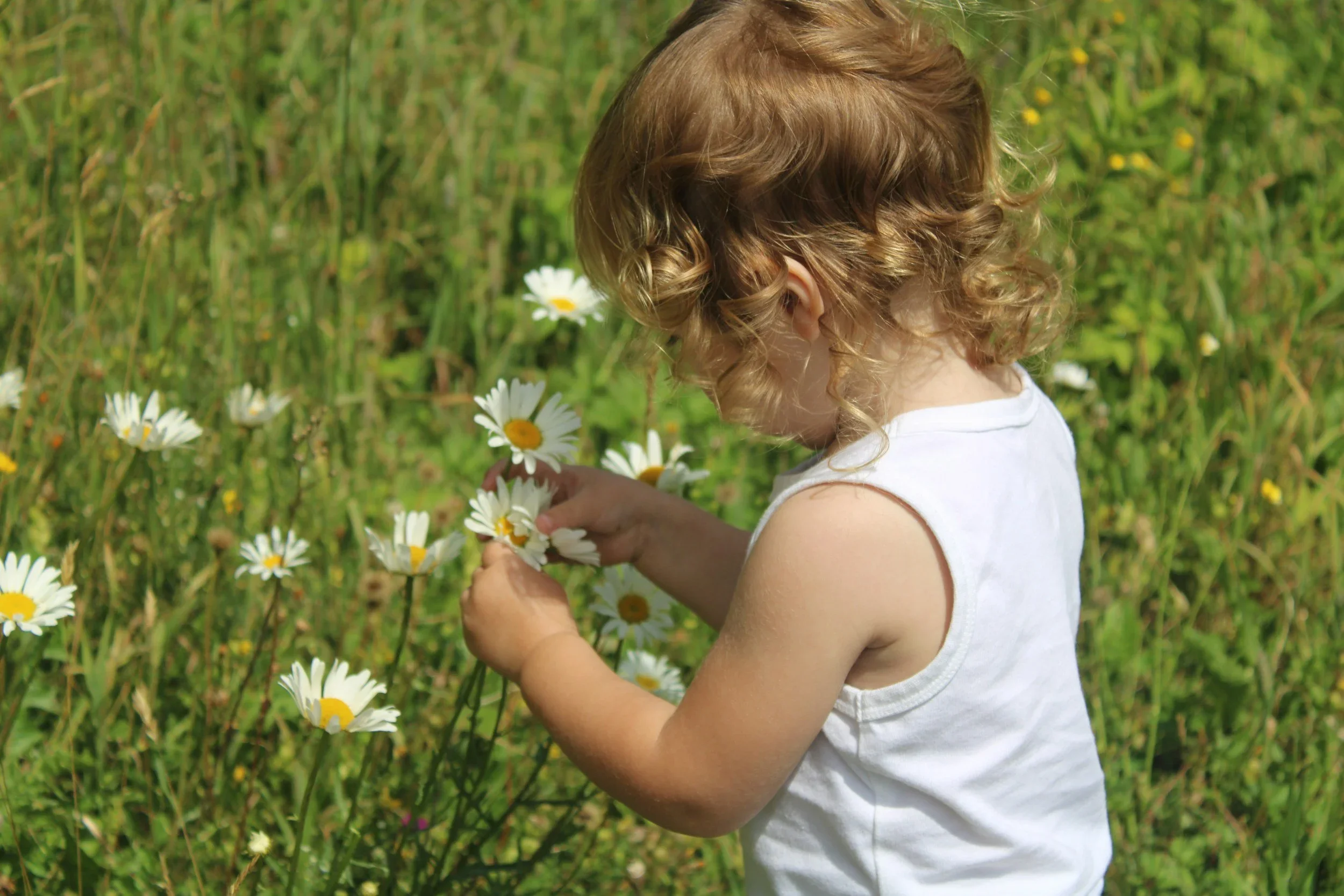
Children arrive in relationship with nature long before it is explained to them. This reflection explores what it means to listen to the more-than-human world in therapeutic work — without rushing to interpret, instruct, or require care to appear.
This reflection explores how ecology can be held in therapeutic spaces as connection, belonging, and care—emerging through relationship rather than instruction or outcome.
A reflective piece exploring art therapy, ecology, and wellbeing as relational — held between the body, the earth, and the living world.
Inspired by Reggio Emilia, this piece explores place as the third teacher and how connection to land, nature, and community supports children’s wellbeing.
Highly Sensitive CHildren
Highly sensitive children experience the world deeply. With the right support, sensitivity becomes a strength rather than a burden.
Highly sensitive children aren’t the problem — they’re often pointing to what needs attention, care, and repair.
High sensitivity is not a diagnosis — it’s a nervous system trait that deserves understanding, not correction.
Adults
What happens when healing has worked, insight is present, and yet life still does not settle? This two-part reflection considers grief after healing, the reality of capacity in a changed world, and how different forms of living can quietly emerge once old ideals fall away.
What happens when therapy has helped, insight is strong, and regulation is available — but life no longer fits old expectations? This piece reflects on grief, capacity, and the possibility of reimagining a life shaped by choice rather than survival.
Some nervous systems were shaped in homes without reliable regulation or safe exit. What develops is not dysfunction, but adaptation — carried forward into adult life.
Many people live under an internalised judge — one that reads feelings, responses, and outcomes as proof of worth. This piece names how experience becomes evidence, and what it means to live under that gaze.