

Resources
This space holds a collection of written reflections from Rain & Me. Children’s Therapy.
These pieces sit alongside the therapeutic work and are shaped by the same way of listening — to children, to relationship, to place, and to the wider living world we move within. They are offered as places to pause, to wander, and to sit with questions that arise in caring for children and families.
The writing here is not intended to teach, instruct, or offer answers. It moves slowly, staying close to lived experience and to what is noticed in practice — moments of connection, uncertainty, regulation, dysregulation, creativity, and care.
Across these reflections, you may find gentle threads around:
emotions as meaningful experiences rather than problems to fix
nervous system responses as adaptive and shaped by context
children’s behaviours as communication arising within relationship, place, and environment
art therapy as a way of making room for expression, presence, and meaning
the importance of feeling safe enough to be oneself
Some pieces are grounded more explicitly in research and theory; others are quieter and more reflective. All are written from within a relational, neuroaffirmative, and ecologically attentive practice.
These resources are here for parents, caregivers, educators, and practitioners who feel drawn to slower ways of thinking about children — ways that value listening over urgency, relationship over control, and care over correction.
You’re welcome to enter this space gently. To read what calls to you, to return when it feels right, or to simply let a piece sit with you for a while. Nothing here needs to be taken up or applied. It is enough to notice, reflect, and stay curious.
These reflections are not therapeutic interventions and are not a substitute for counselling or art therapy sessions.

Why Emotional Regulation Isn’t Realistic for Kids and How Art Therapy Can Help
Children aren’t meant to regulate alone. Art therapy supports expression, nervous system development, and connection instead of compliance.

Art Therapy as a Relational and Evidence-Informed Way of Supporting Children’s Mental Health and Diverse Abilities
What the research says about art therapy — and how it supports children’s mental health, neurodivergence, and emotional wellbeing.

Co-Regulation Through Creativity: How Art Therapy Supports Emotional Regulation in Children
Art therapy supports emotional regulation through relationship, creativity, and co-regulation — not behaviour control.

When Words Are Hard to Find: Art as a Voice for Non-Verbal Children
Art gives children a voice when words are hard to find — supporting expression, connection, and understanding beyond language.

How Art Therapy Helps Children Express Big Feelings
Art therapy helps children express big feelings safely — without pressure to explain or regulate before they’re ready.
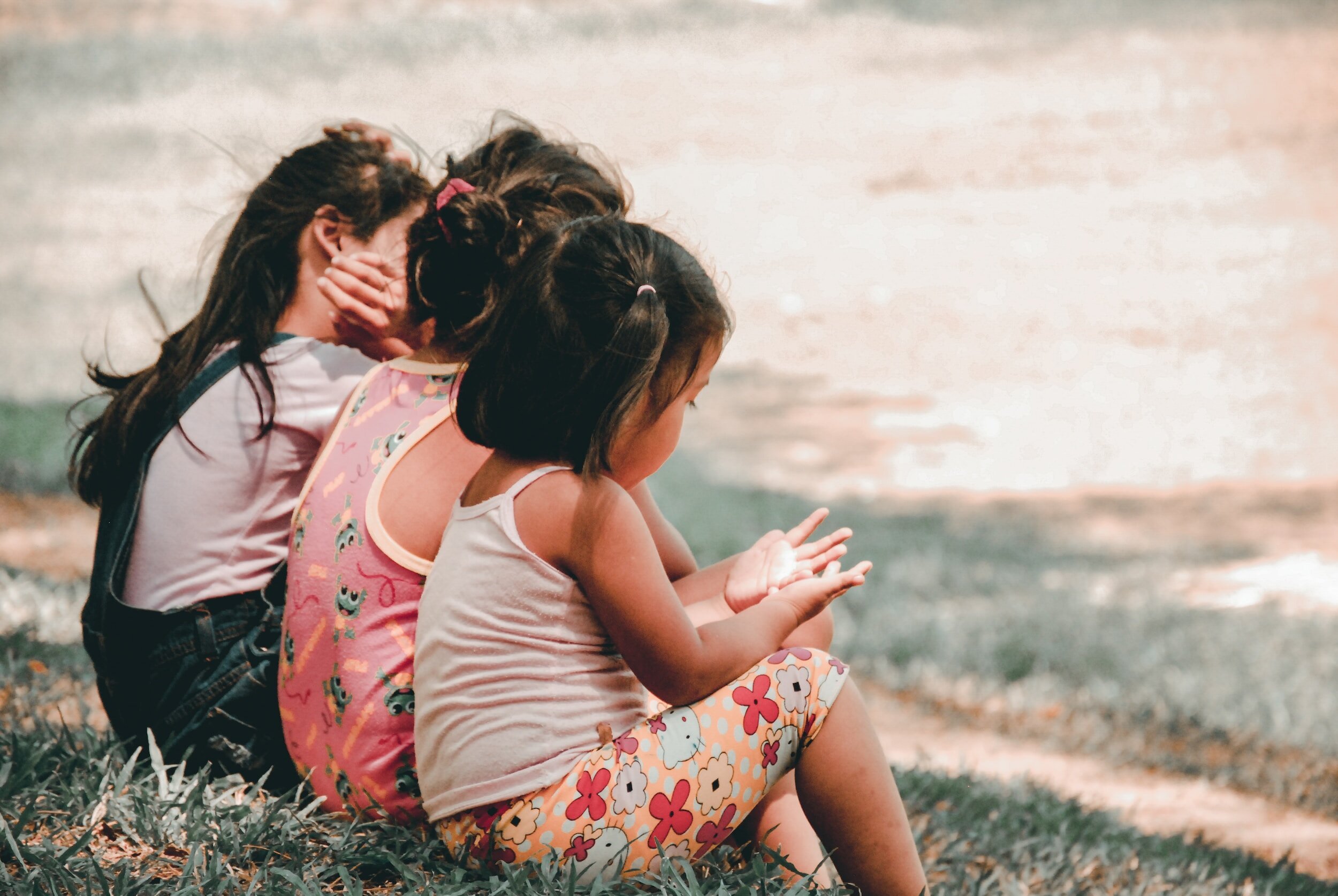
Connecting the Dots: Art Therapy's Gentle Guidance into Interoception
Art therapy gently supports awareness of body sensations, feelings, and internal experiences.
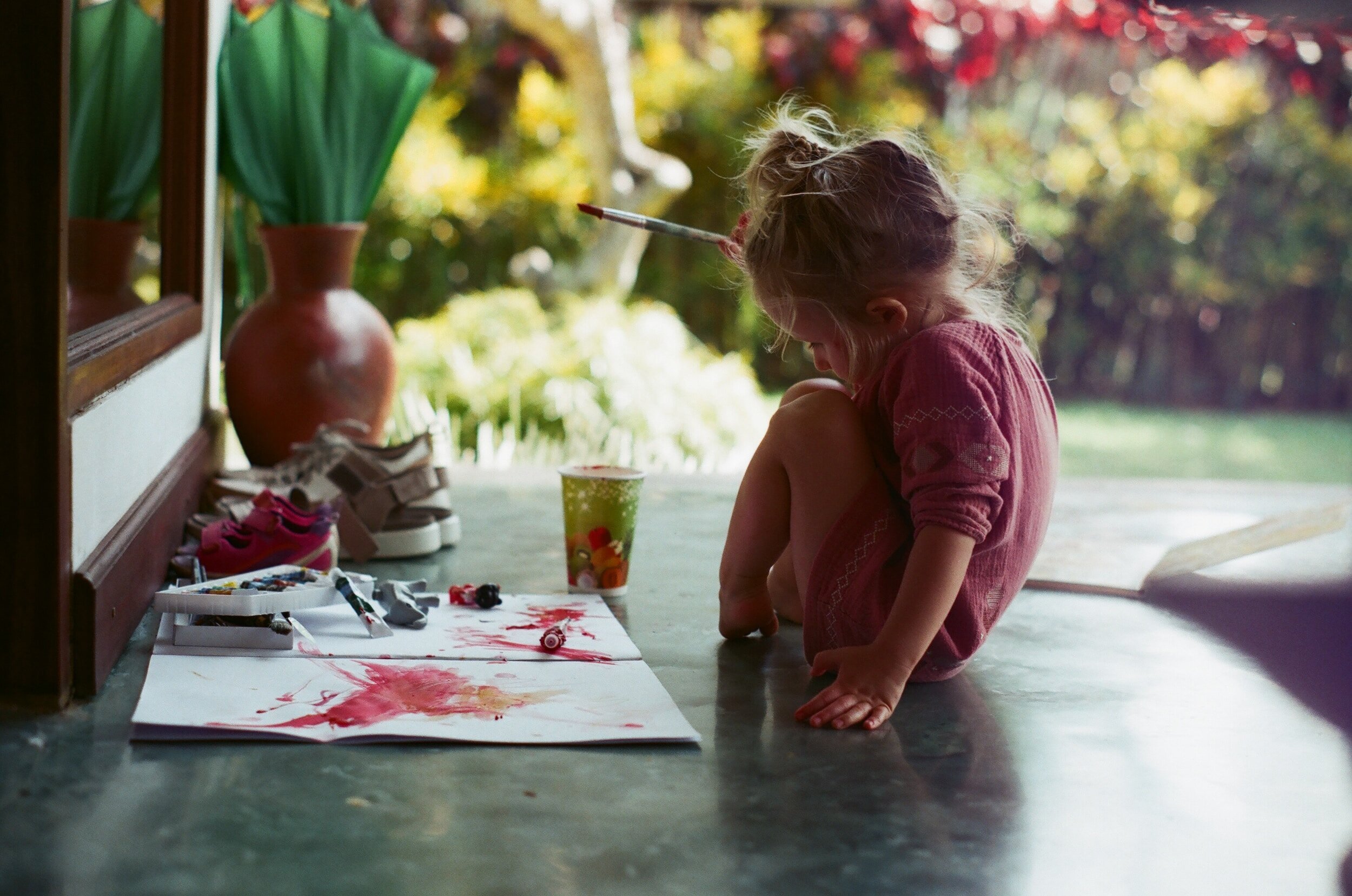
Artful Beginnings: Art Therapy in Early Childhood Intervention
Early childhood intervention is not about rushing development or fixing difference. This article explores how art therapy sits within early childhood intervention as a relational, play-based practice that supports participation, learning, and connection through creative engagement.
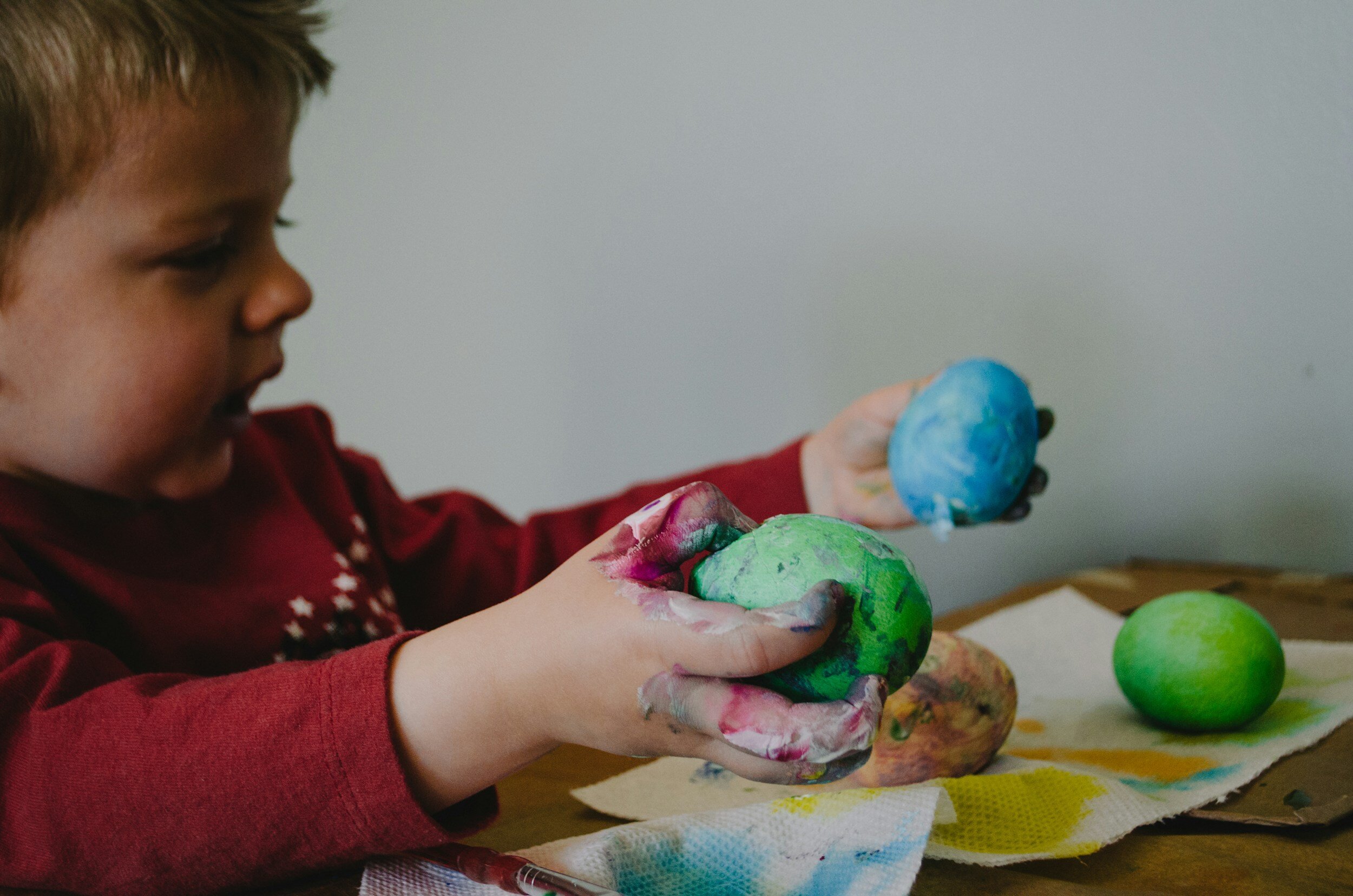
Exploring art therapy for children’s wellbeing & development
Rather than treating wellbeing and development as targets to achieve, this article explores how children practise regulation, social engagement, focus, creativity, and learning through art therapy — and how these capacities often carry into home and school life.