Polyvagal theory for kids
In early childhood spaces, we can use Polyvagal Theory to help children see that feelings don’t exist on their own. They are connected to what’s happening in the body and nervous system.
A helpful way to think about this is: story follows state. How we think, feel, and act is influenced by how safe our body feels.
Polyvagal Theory can be shared with children as a friendly guide — a way to understand why their bodies respond differently at different times. Below is a simple story you can use to introduce this idea:
A Superhero Story About the Nervous System
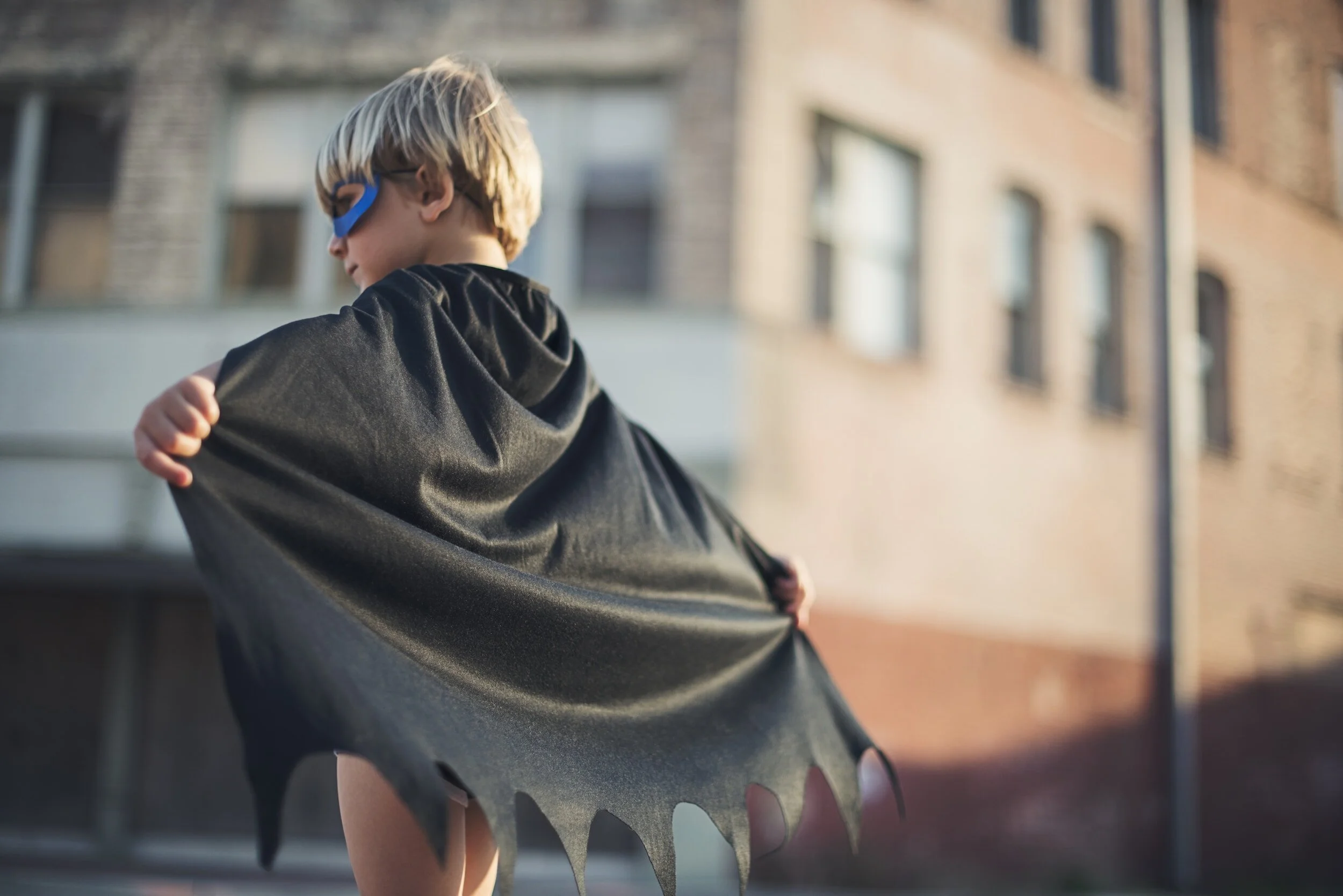
Imagine you have a superhero inside you. This superhero helps your body decide what it needs in every moment. It has three special powers.
Social Butterfly Power
This power feels warm and open. When it’s active, your body feels safe and connected. You might feel chatty, playful, curious, or happy to be with others. It’s like a gentle glow inside that helps you enjoy being together.
Brave Explorer Power
This power helps you move, try things, and protect yourself when something feels tricky. Your body might feel full of energy, strong, or ready to act. This power helps you run, climb, speak up, or face something new.
Cozy Blanket Power
This power helps your body rest and recover. When it’s active, you might feel quiet, slow, or like you want to curl up and take a break. It’s your body’s way of saying, “I need to pause.”
None of these powers are bad. They all help in different situations.
The Superhighway Inside Your Body
Your superhero powers travel along a special highway inside your body — a nervous system highway.
Connected Lane (Ventral Vagal)
This lane is where Social Butterfly Power shines. When you’re here, your body feels safe enough to connect, learn, play, and rest. You might feel steady, curious, and open.
Protective Lane (Sympathetic and Dorsal Responses)
This lane helps you when something feels hard, scary, or overwhelming. Sometimes your Brave Explorer Power takes the lead, helping you move or act. Other times, your Cozy Blanket Power helps you slow down and stay safe.
Your body moves between these lanes all the time. That’s normal.
When the Lanes Get Mixed Up
Sometimes, after something stressful or confusing, your body might stay in a protective lane even when the danger has passed. You might feel jumpy, worried, tired, or distant — even if nothing is “wrong.”
This isn’t your fault - it just means your superhero is still trying to keep you safe.
With understanding, connection, and support, your body can learn when it’s safe to move back into the connected lane.
Learning to Work With Your Superpowers
The goal isn’t to stay in one lane all the time. Healthy nervous systems move — like a dance — between connection, action, and rest.
When children learn that their feelings are messages from their bodies, not problems to fix, they begin to trust themselves more. They learn that every response has a reason and that support helps their superhero feel safe again.
Over time, children don’t need to control their superhero or make it behave differently. They learn, through experience, that all of its powers belong — and that when they are understood and supported, the body can find its way back to connection again.
Related Resources
The Safe and Sound Protocol (SSP) at Rain & Me. Children’s Therapy
The resonance of connection: Understanding the Safe and Sound Protocol (SSP)
Why Your Nervous System Needs Safety First (and How SSP Helps)
Important Information
This post offers a reflective, educational perspective on sharing body-based understandings of emotion with children. It does not provide clinical advice, diagnosis, or treatment, and is not a substitute for professional support. The story shared here is a metaphor intended to support understanding, not a literal explanation of the nervous system or a therapeutic intervention.