

Resources
This space holds a collection of written reflections from Rain & Me. Children’s Therapy.
These pieces sit alongside the therapeutic work and are shaped by the same way of listening — to children, to relationship, to place, and to the wider living world we move within. They are offered as places to pause, to wander, and to sit with questions that arise in caring for children and families.
The writing here is not intended to teach, instruct, or offer answers. It moves slowly, staying close to lived experience and to what is noticed in practice — moments of connection, uncertainty, regulation, dysregulation, creativity, and care.
Across these reflections, you may find gentle threads around:
emotions as meaningful experiences rather than problems to fix
nervous system responses as adaptive and shaped by context
children’s behaviours as communication arising within relationship, place, and environment
art therapy as a way of making room for expression, presence, and meaning
the importance of feeling safe enough to be oneself
Some pieces are grounded more explicitly in research and theory; others are quieter and more reflective. All are written from within a relational, neuroaffirmative, and ecologically attentive practice.
These resources are here for parents, caregivers, educators, and practitioners who feel drawn to slower ways of thinking about children — ways that value listening over urgency, relationship over control, and care over correction.
You’re welcome to enter this space gently. To read what calls to you, to return when it feels right, or to simply let a piece sit with you for a while. Nothing here needs to be taken up or applied. It is enough to notice, reflect, and stay curious.
These reflections are not therapeutic interventions and are not a substitute for counselling or art therapy sessions.
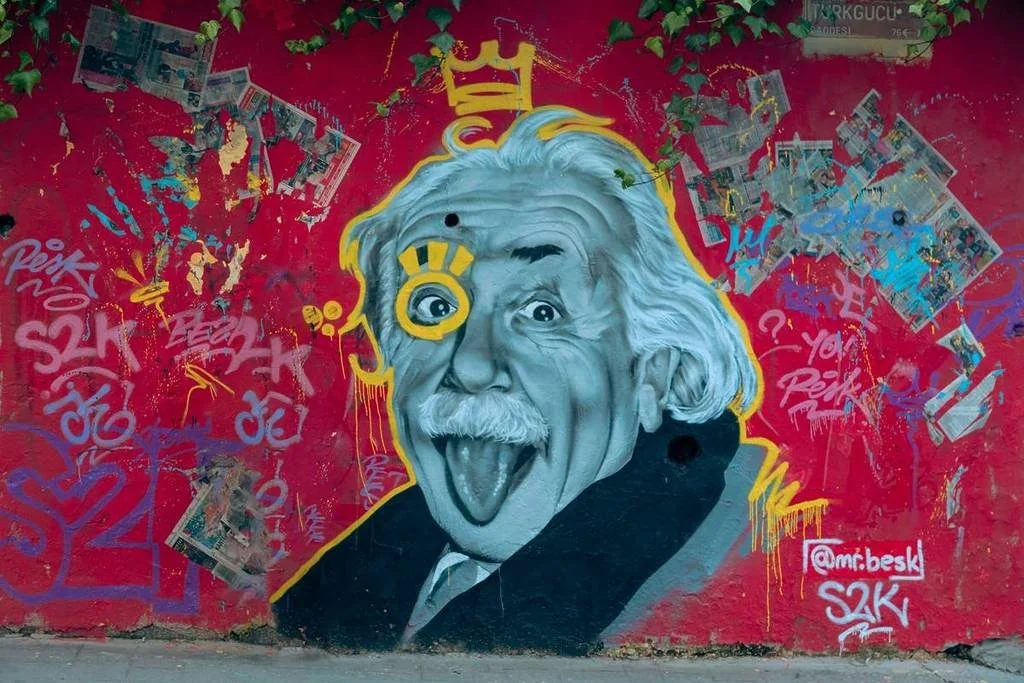
Who Gets to Decide What Is True?
When a scientific framework gets challenged, the conversation that follows tends to stay inside the tradition that produced it. I want to ask what that tradition missed — and who already knew it.

Children's Therapy Is Not Neutral: On Practice in Times of Crisis
The therapy room is not separate from the world. Children absorb what is happening around them—crisis, grief, collective fear—even when it is never named. This piece reflects on what it means to practise when the world is unbearable, and why silence is not neutral.
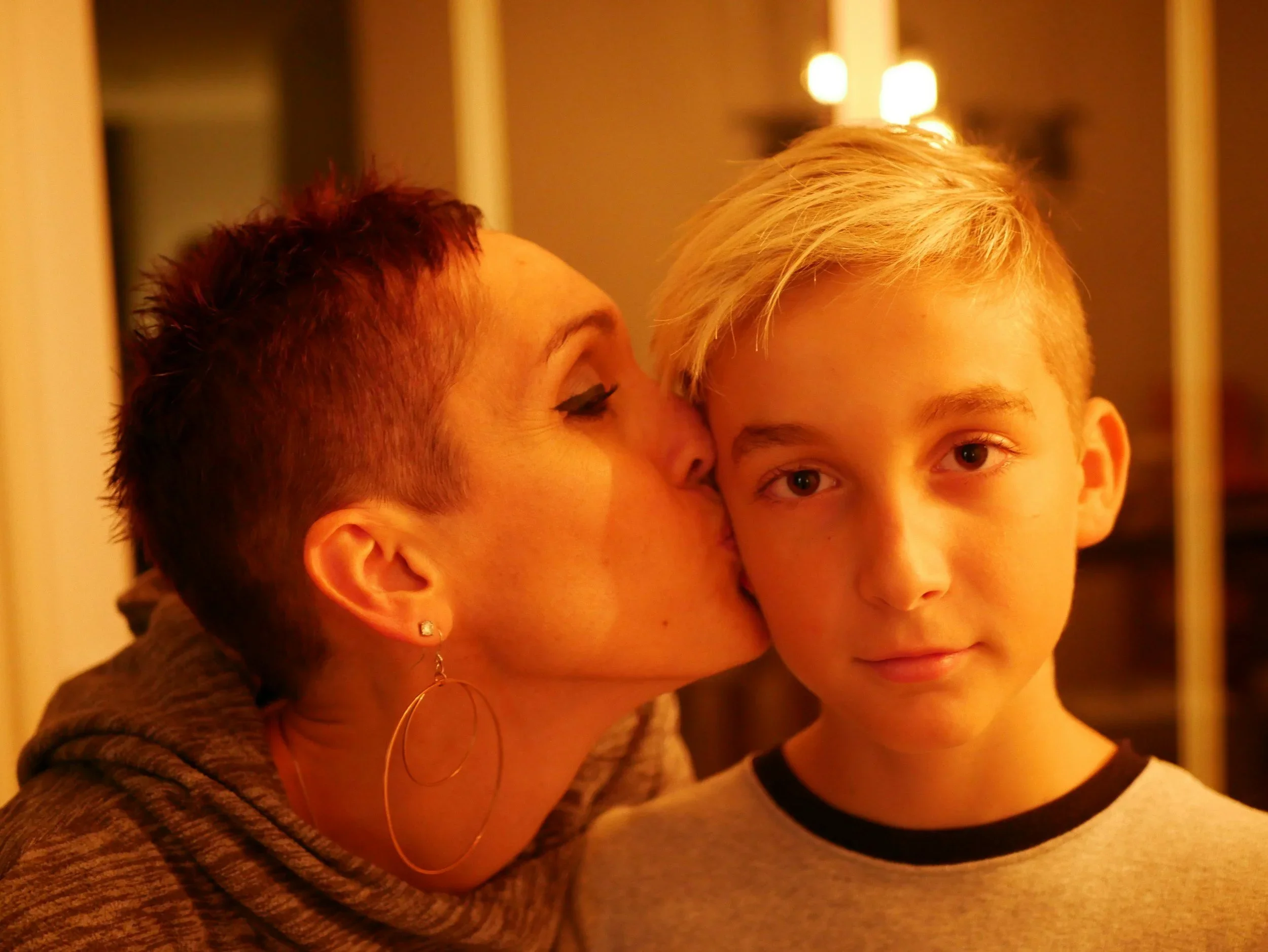
"Regulate Yourself First" — Who Resources the Caregiver?
The message to "regulate yourself first" often lands on mothers, teachers, and carers already stretched beyond capacity. This piece explores what gets protected when the caregiver becomes the intervention—and what remains unexamined.
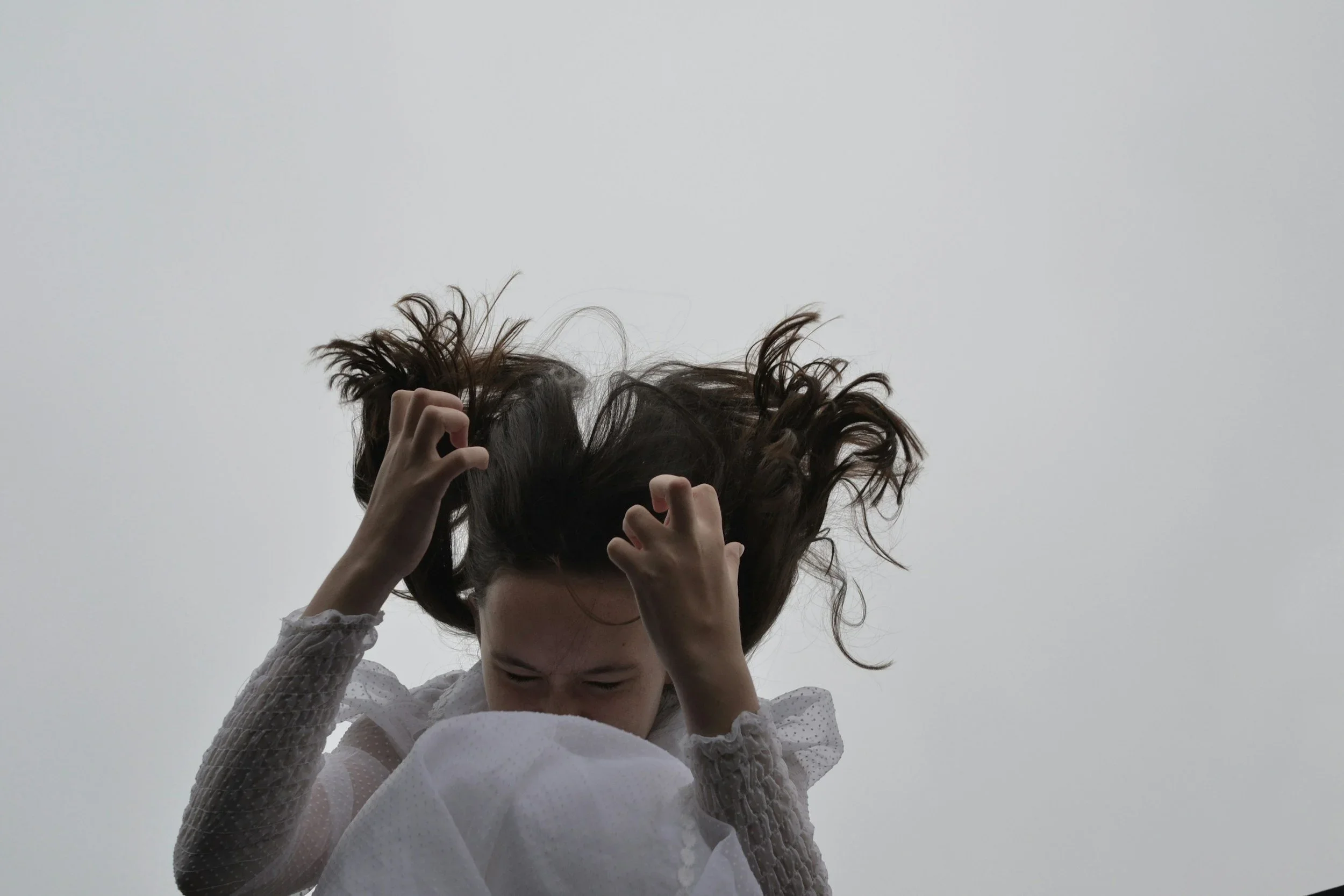
The Problem Isn't Your Nervous System
When distress is located in the individual, the systems that produced it go unexamined. This piece names the cycle: conditions that harm, responses that get pathologised, and solutions aimed at the person rather than the structure.

What does “okay” look like for a nervous system?
This post explores common myths about calm, resilience, and regulation, and offers a more grounded understanding of how nervous systems adapt across adulthood and childhood.
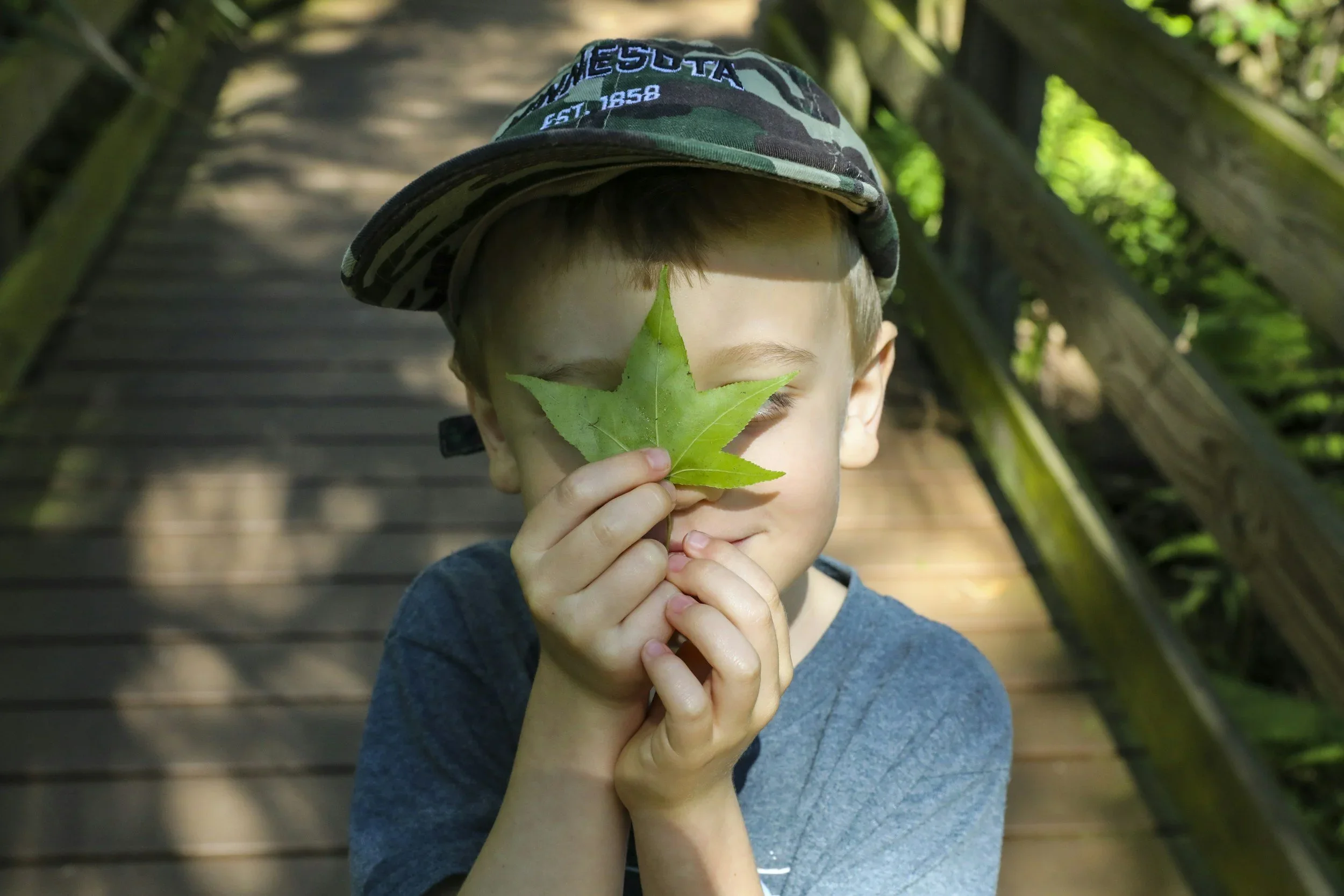
Safe Enough to Be Yourself
Therapy doesn’t have to be about fixing or becoming someone else. Sometimes, the most meaningful shift happens when a person realises there is nothing wrong with them — and feels safe enough to simply be.
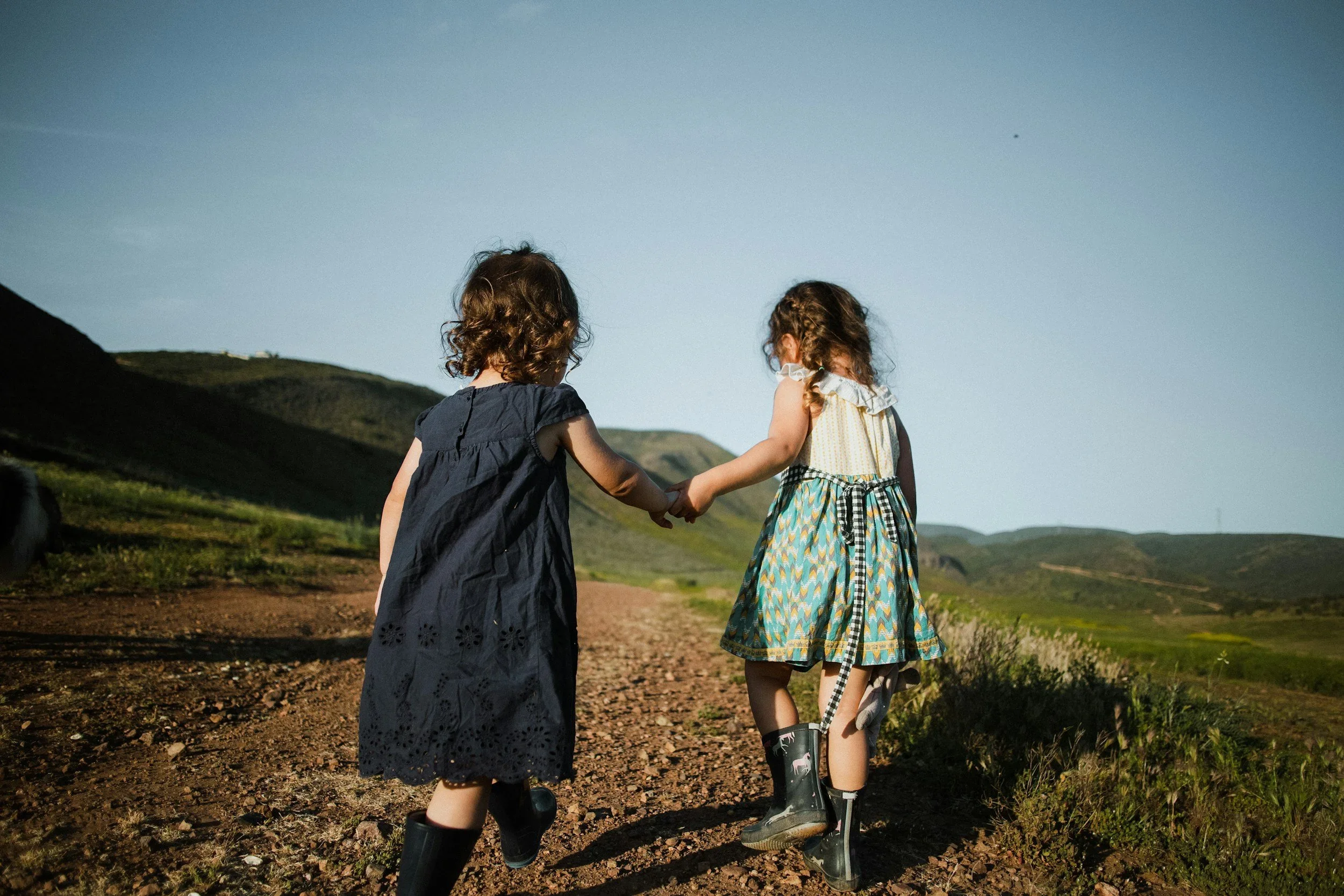
When Therapy Is Asked to Fix Children
When therapy is used to make children compliant or calm, distress can be misunderstood. This article explores relational, ecological perspectives on children’s wellbeing.
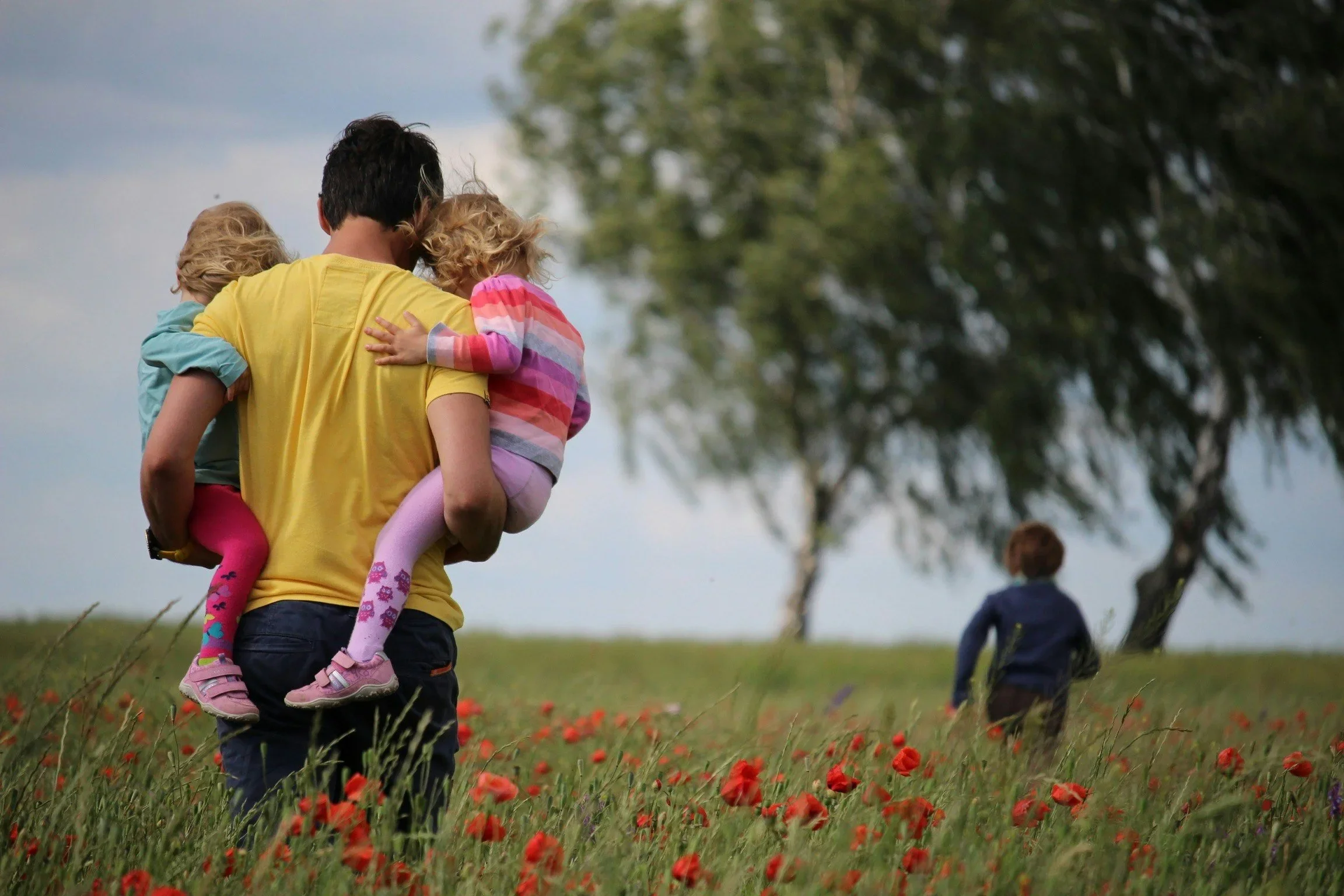
The Wisdom of the Nervous System: States, Regulation, and Relationship
A compassionate look at nervous system states through polyvagal theory — and why activation and shutdown are adaptive, not dysfunctional.