Safe Enough to Be Yourself
Many people arrive at therapy already engaged in quiet self-surveillance — measuring their emotions, judging their responses, trying to manage or improve themselves in order to cope.
These habits do not arise in a vacuum. They are shaped by cultures that value productivity, composure, and performance, often at the expense of rest, softness, and uncertainty.
Relational and humanistic traditions invite a different starting place. Not How do I fix this? but what do I need in order to feel safe enough to be here?
Conditions That Support Change, Not Control
In living systems, change rarely happens through force. It happens through conditions.
When there is enough safety, continuity, and responsiveness, systems tend toward balance. They reorganise slowly. They integrate stress. They find their own ways forward.
Therapeutic work, viewed this way, is less about directing change and more about attending to what supports it. It involves noticing what helps a body soften, a breath deepen, and a sense of agency return.
Therapy as a Space for Listening
Spaces that support emergence are shaped by how listening happens.
This kind of listening does not rush to interpret or explain. It stays close to what is present — sensations, pauses, images, emotions that do not yet have clear edges. Meaning is allowed to arrive gradually, or not at all.
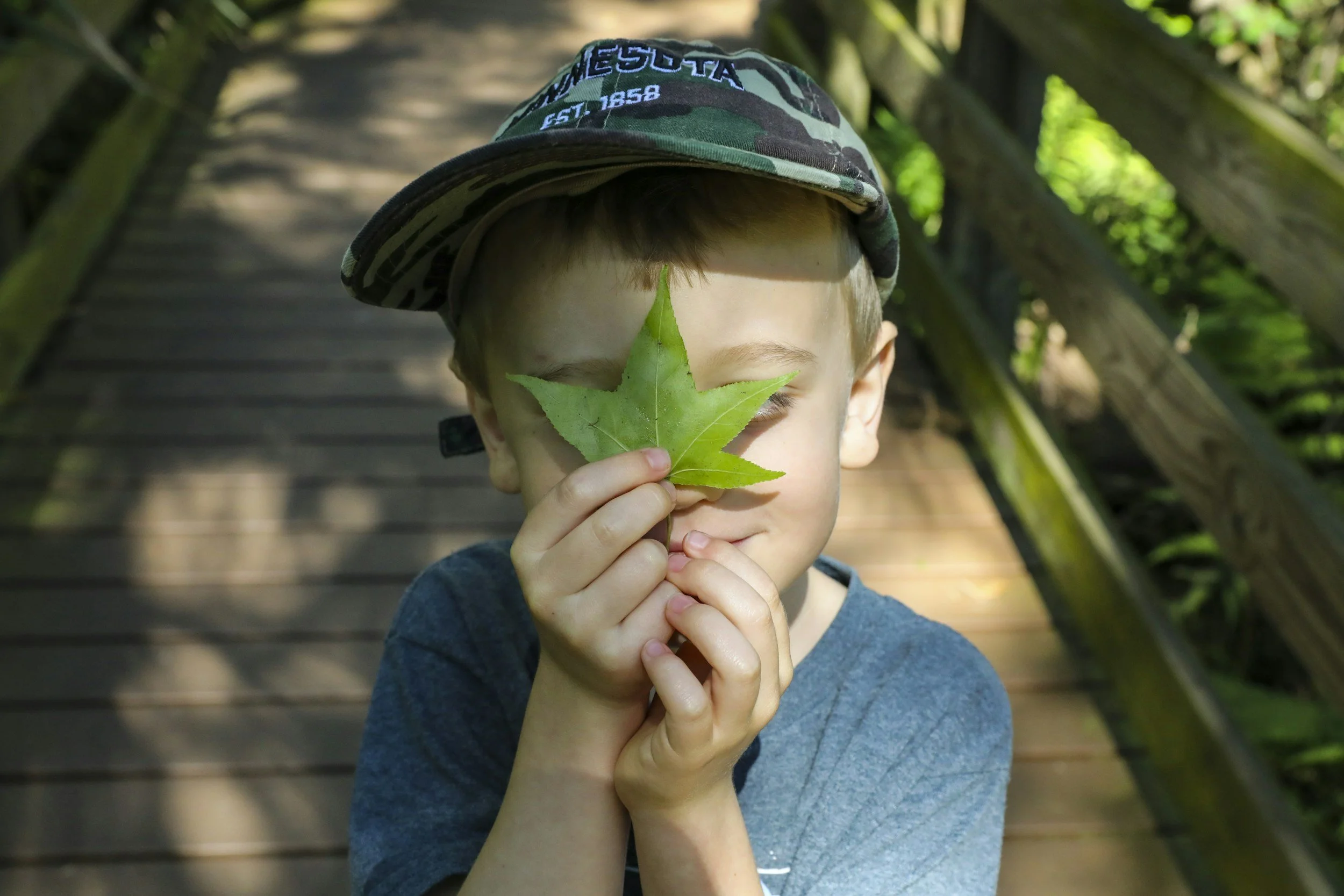
For children especially, being allowed to be as they are — uncertain, playful, quiet, intense — can be deeply settling. It offers an experience of being met without demand, where nothing needs to be performed or fixed.
A Holistic View of Support
Holistic approaches to therapy recognise that wellbeing is shaped by many interwoven threads: relationships, environments, sensory experience, rhythm, rest, and meaning.
Support, then, is not about isolating a single cause or solution. It is about tending to the whole ecology of a person’s life, gently and with care.
Sometimes this involves words. Sometimes it involves art, movement, or silence. Often it involves staying with what is unfolding, without rushing it toward resolution.
When the Struggle Softens
There is a moment that often marks a quiet shift in this work — when someone realises that their distress does not mean they are broken.
Nothing dramatic may change in that instant. But self-blame loosens. Compassion becomes possible. A different relationship to self, others, and the world begins to take shape.
From this perspective, therapy is not about becoming someone else. It is about finding enough safety to be who you already are, while receiving support that honours the full complexity of your life.
Related Resources
Important Information
This post reflects on therapy as a relational experience shaped by personal and cultural contexts. It is not intended as advice or a substitute for professional support.