Children's Therapy Is Not Neutral: On Practice in Times of Crisis
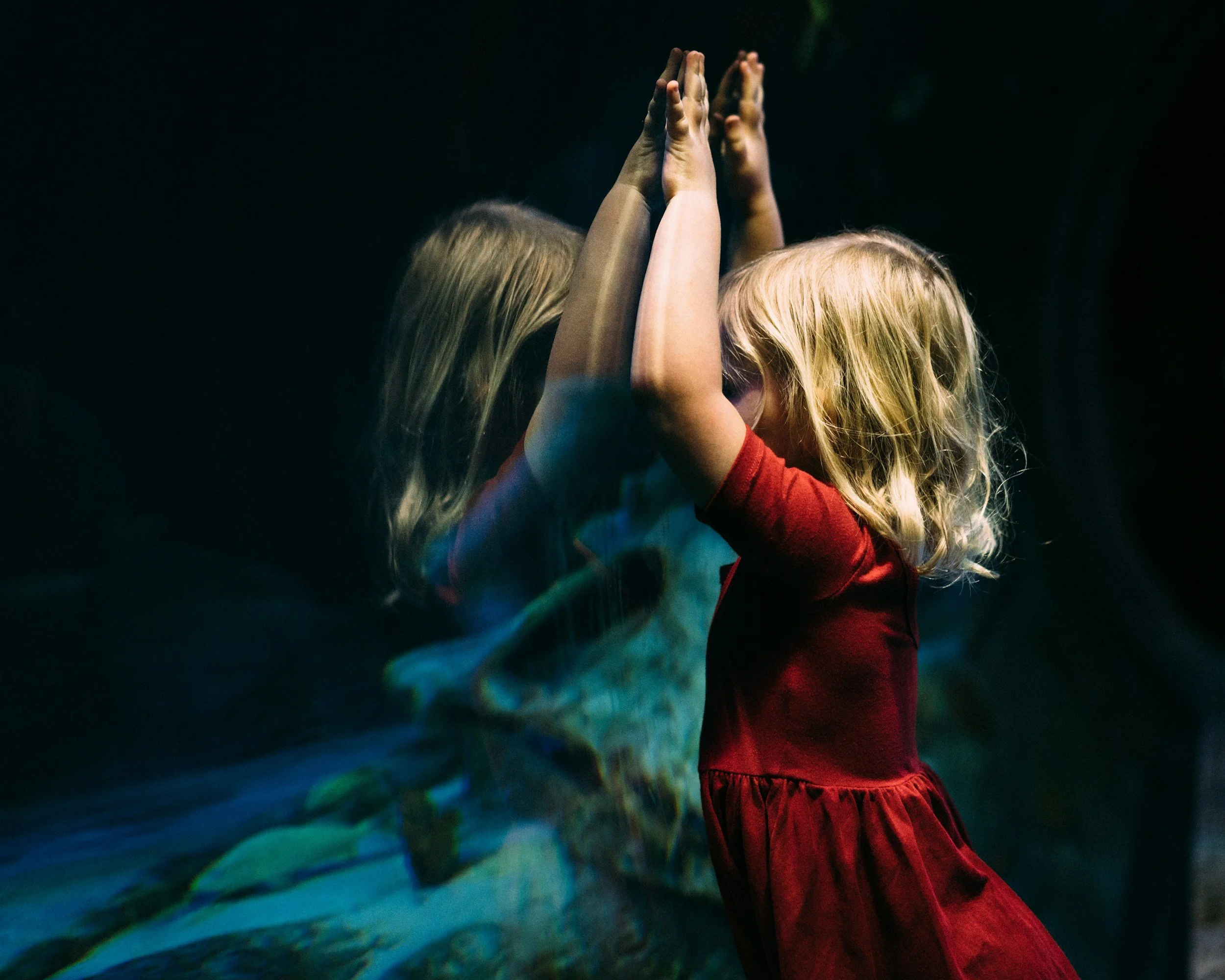
There is a belief that the therapy room exists apart from the world.
A quiet space. A held space. Somewhere the noise falls away and a child can simply be met, attended to, seen.
But the world does not stop at the door.
It enters in the body of every child, every caregiver, every practitioner. It enters through what has been witnessed, overheard, absorbed. Through the weight carried by adults who are trying to hold it together. Through the silence that falls when no one knows what to say.
Children do not need to watch the news to know that something is wrong.
Children Carry What Is Not Theirs
Children are often described as resilient. And they are. But they are also porous.
They absorb the emotional climate of the adults around them. They sense fear, grief, numbness, rage—even when it is never spoken aloud. They notice when a parent flinches at a headline, when a teacher's voice tightens, when the air in the room changes.
They carry what is not named.
This is not pathology - it is how nervous systems work. Children are wired to attune to their environment. When that environment is saturated with collective distress—when atrocities are unfolding somewhere in the world and the adults are struggling to metabolise it—children register this in their bodies.
It may show up as anxiety with no clear source. As nightmares. As clinginess, withdrawal, aggression, or a sudden inability to cope with small things. It may not show up at all—until it does.
The Myth of Neutrality
There is a tradition in therapeutic work that values neutrality. The practitioner as blank screen. The room as container, sealed off from ideology, politics, the mess of the world.
But silence is not neutral.
When the world is burning and nothing is said, that silence communicates something.It teaches children that some things are too big to speak about. That distress without a personal cause does not belong in the room. That the therapist, too, is unable to hold it.
This is not an argument for bringing politics into sessions with children. It is a recognition that thepolitical is already present—in their bodies, in the room, in what remains unspoken.
The question is not whether the world enters. The question is what happens when it does.
What Can Be Held
There are things happening right now that are difficult to look at.
Acts of violence, systems of harm, revelations that shake whatever faith remained in the structures meant to protect. These are not abstract. They land in homes, in communities, in the nervous systems of people trying to raise children, teach children, support children.
Therapeutic spaces cannot fix this.
But they can hold it. Not by explaining or resolving, but by making room. By allowing a child to draw something dark without rushing to interpret it. By tolerating silence. By not pretending that everything is fine when it is not.
Sometimes the most honest thing a practitioner can offer is presence without answers. A willingness to sit with what is unbearable rather than smooth it over.
Staying Present
This is not comfortable work.
It asks practitioners to remain present to collective grief while still showing up for the child in front of them. It asks for the capacity to hold uncertainty, to witness what cannot be made better, to resist the urge to fix or reassure when reassurance would be hollow.
It asks for honesty about limits.
The therapy room cannot protect children from the world. It cannot undo what they have absorbed. What it can do is offer a space where distress is allowed—where it does not have to be hidden, minimised, or explained away.
This may be small. It may also be essential.
What Is Not Being Said
There are things happening that many people are watching, feeling, grieving, raging about—things that are not named here.
They do not need to be named to be present.
The silence in this piece is not neutrality. It is recognition.
Recognition that some things are too large to hold in a single frame. That naming can sometimes reduce, and that not naming can sometimes make space for each reader to bring what they are carrying.
Whatever is weighing on you right now—whatever you are witnessing, whatever you cannot look away from—it belongs in the conversation about what therapeutic work means in this moment.
The room is not separate from the world. The children know this. The question is whether we are willing to know it too.
Related Resources
Important Information
This piece reflects on therapeutic practice in times of collective crisis. It is not intended as clinical advice or as instruction on how to discuss specific events with children. The reflections shared here aim to acknowledge what enters therapeutic spaces when the world is in distress, and to invite practitioners to consider what neutrality means in such moments. This post is not a substitute for professional support or supervision.